FOREIGN FOLKLORE GROUPS

Judlė (Lithuania)
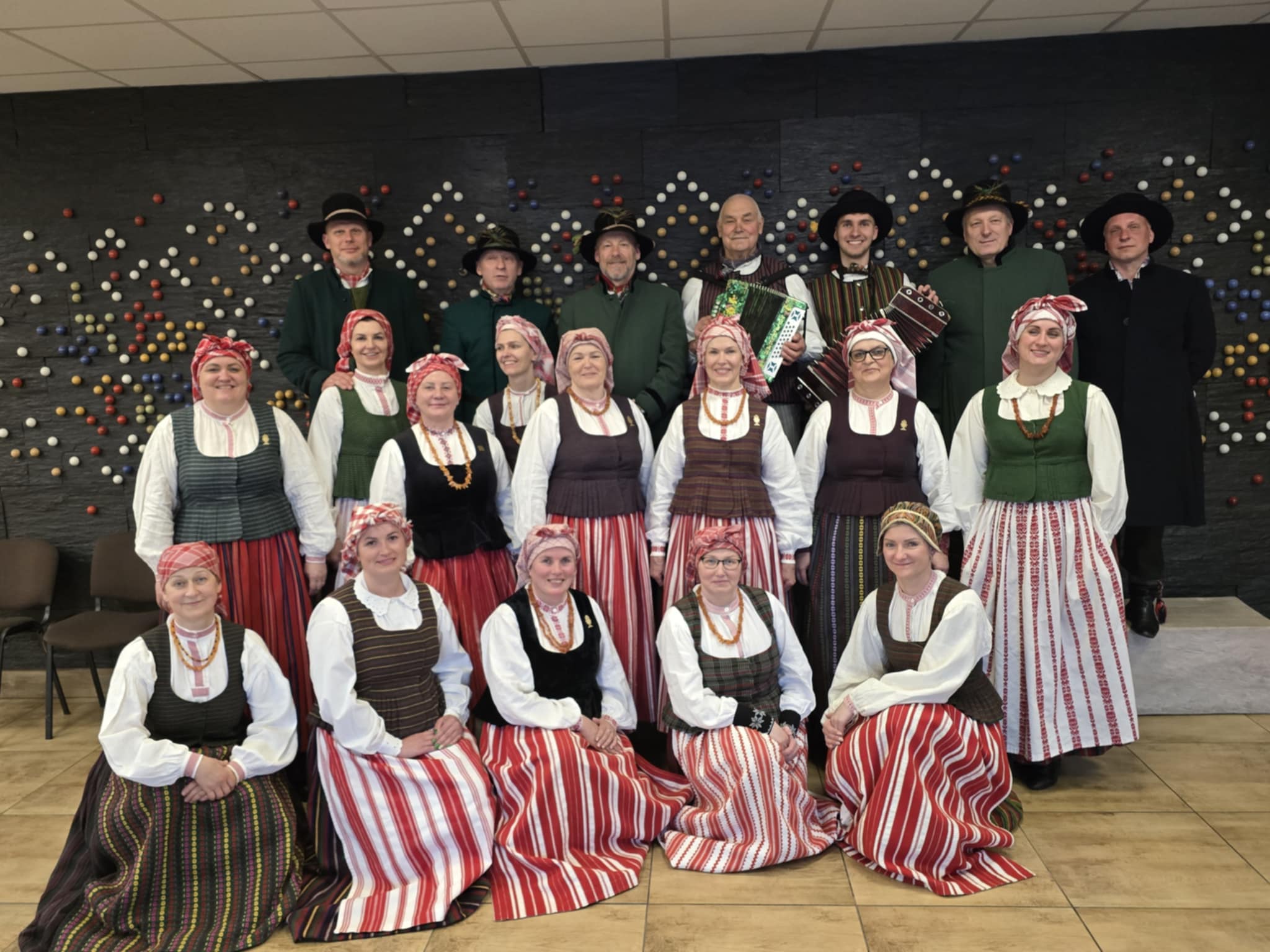
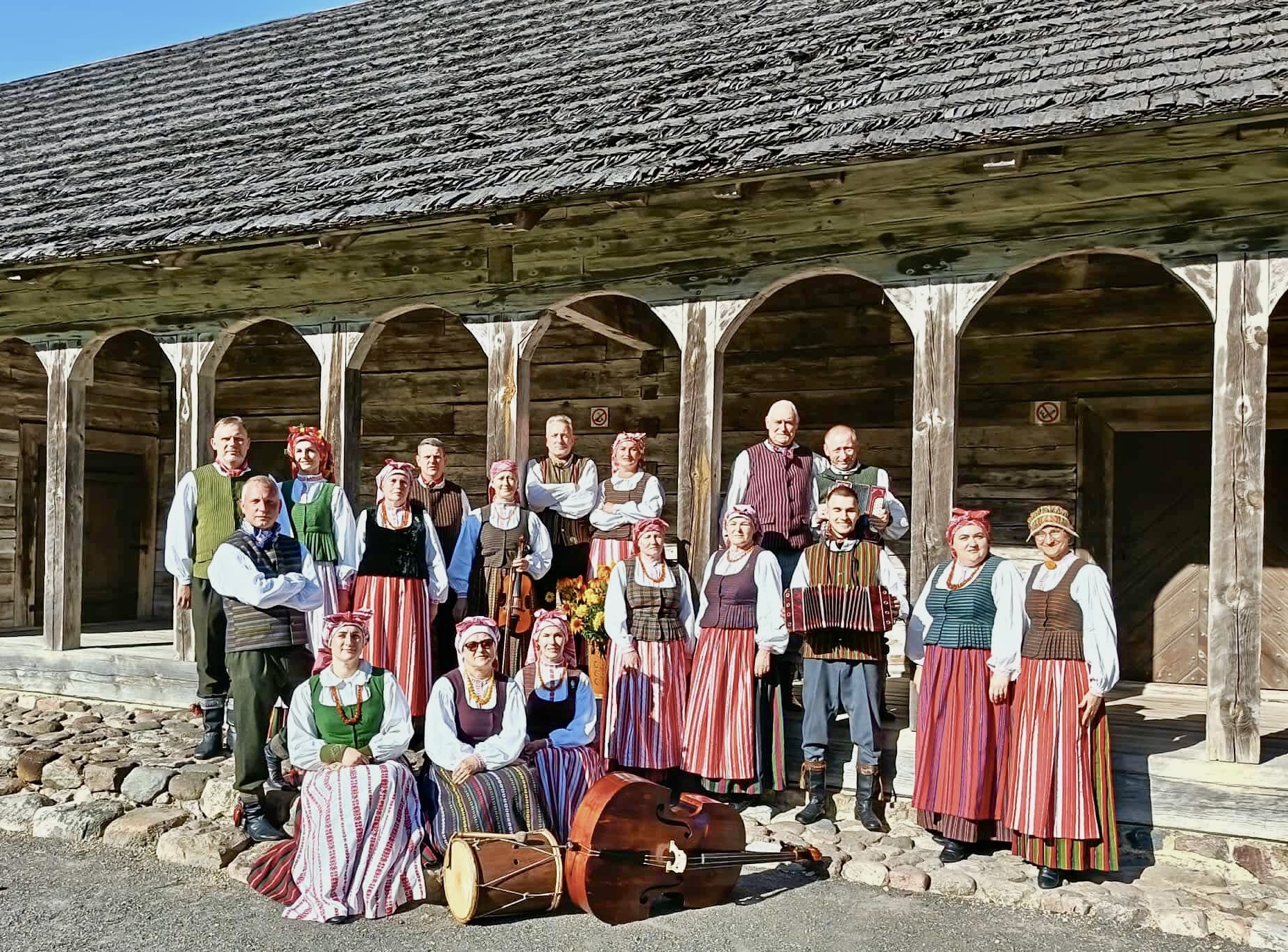
The Kelmė Cultural Centre folklore ensemble JUDLĖ was founded in 1991. The name of the ensemble refers to the name of a lake in the Kelmė Region, Lithuania. The legend about the origin of this lake tells: one evening, a strong wind blew a very large black cloud, which landed on the ground and turned into a lake.
The ensemble performs folk songs, dances and instrumental music of the Samogitian Region, Lithuania. The ensemble is made up of people from various professions who love the traditions of their country. Currently, the ensemble is attended by 23 participants.
We are happy to present our regional traditions at the folklore festival Baltica 2026, as well as to get acquainted with the traditional culture of other countries.
Kocis (Latvia)
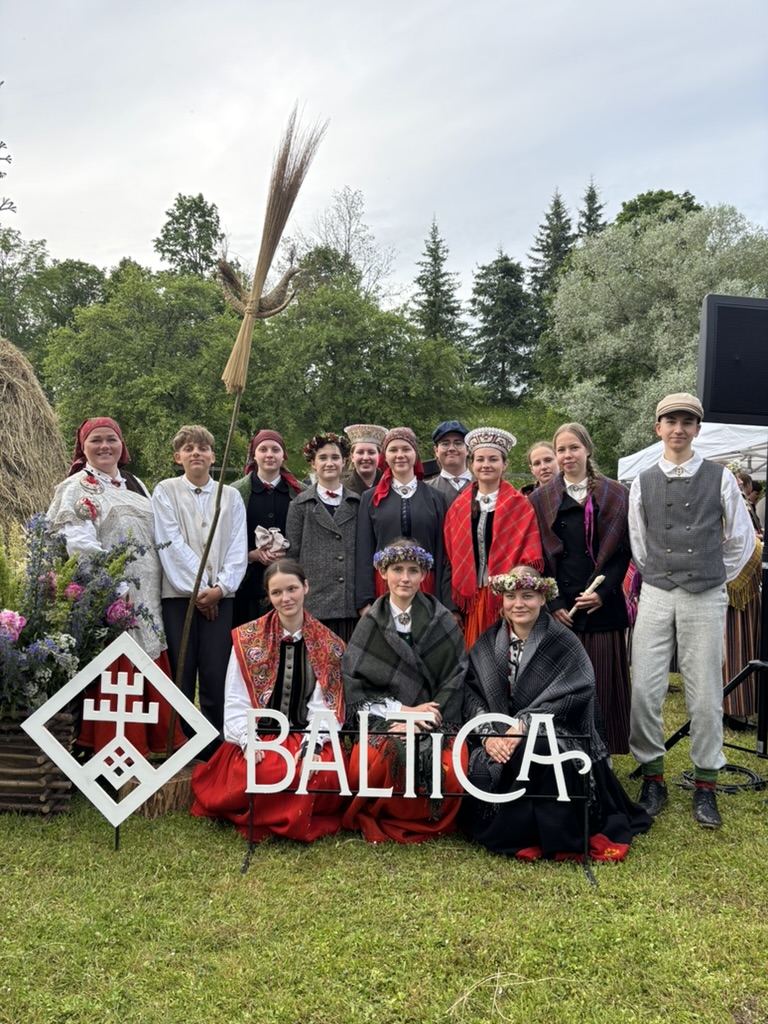
The folklore group Ķocis from Latvia, Liepāja Children and Youth Centre in Latvia brings together children and young people who honour the traditions of Kurzeme: they play instruments, sing, and dance. We wear the most magnificent costumes of the western Latvian region of Kurzeme, recorded in 1850 around the Liepāja district – Nīca, Bārta, Rucava and Pērkone, where the variety of folk costumes was remarkably wide. While the clothing of boys and men of the time was already influenced by urban
fashion, the attire of girls and women retained its local identity for a long time.
We learn in the traditional way — by ear, just as people did in the past, rather than relying only on written notation. Every member of Ķocis can play several — at least four — traditional folk instruments.
We are young, enthusiastic and passionate about promoting traditional cultural values. We gladly take part in festivals and other cultural events, create our own concert programmes, and build lasting friendships with other folklore groups. By visiting tradition bearers and storytellers, we ensure that our work is deeply rooted in tradition while enriched by the freshness and energy of youth. Kocis means “basket”.
Mbeningoma-Comores Association (Comoros)
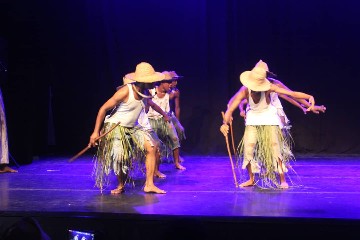
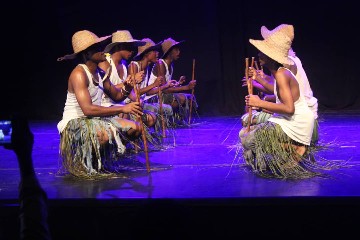
The association was founded in 2011 by people who were united in their passion for Comorian dance and folk art. The aim of the association is to raise awareness of the necessity to protect intangible cultural heritage, introduce traditional Comorian dances, support social creativity and integration through art, and value cultural diversity.
Mbeningoma-Comores unites people of very different cultural backgrounds and walks of life – many of them are traditional dancers and storytellers, while others are actors and young artists.
The Comoro Islands have throughout the centuries been shaped by cultural influences from Africa, Asia, the Near East, and France. The intangible cultural heritage formed precisely from this cultural amalgam is introduced to us by Mbeningoma-Comores. Their unique dances emanating from their roots reflect the richness and diversity of their home island.
Mbeningoma-Comores has since its beginning offered drumming, dancing and singing workshops, organised festivals, competitions, as well as regional and national events across the country, and participated in school activites and other endeavours.
Folklore ensemble Kuzelovjan (Czechia)
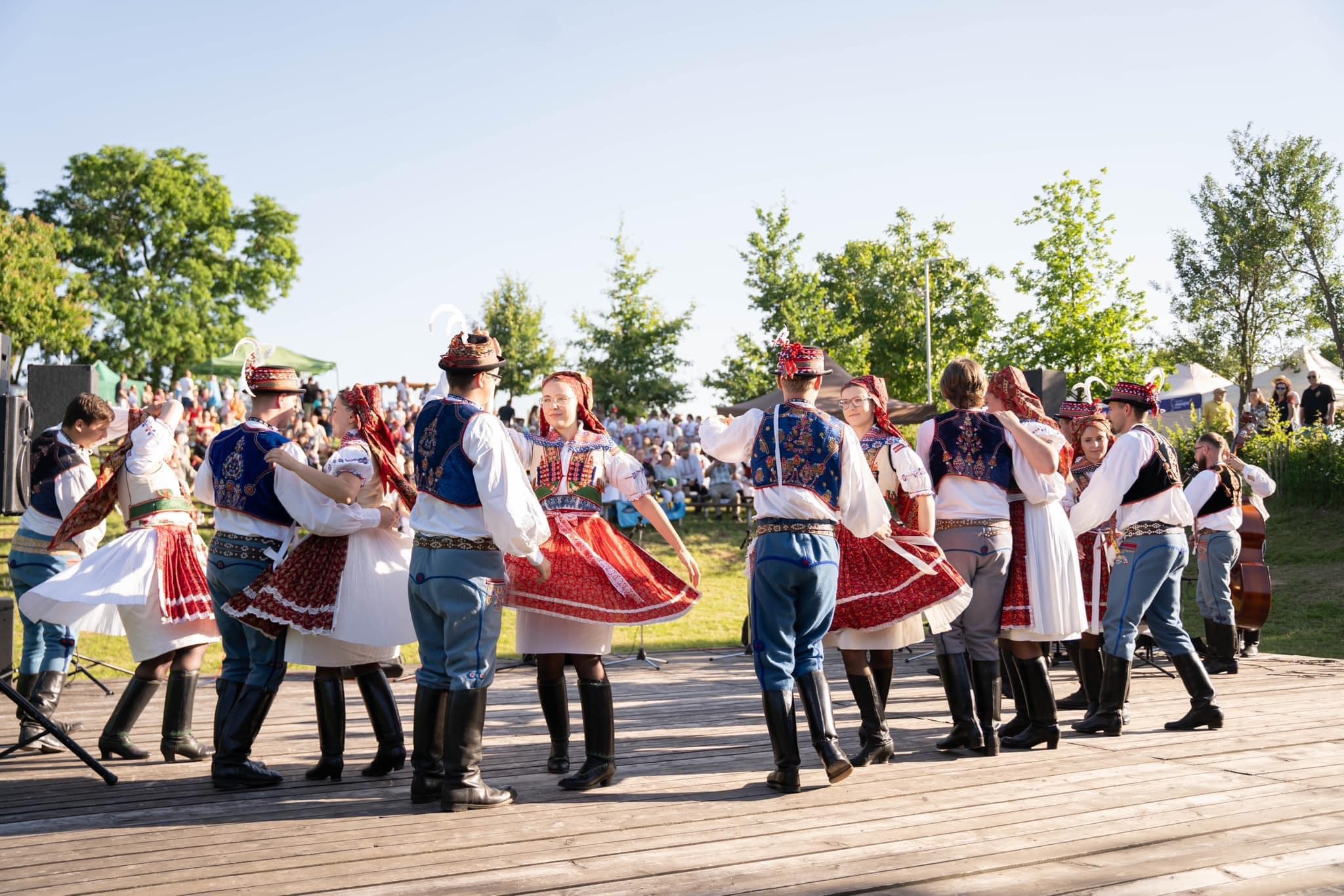
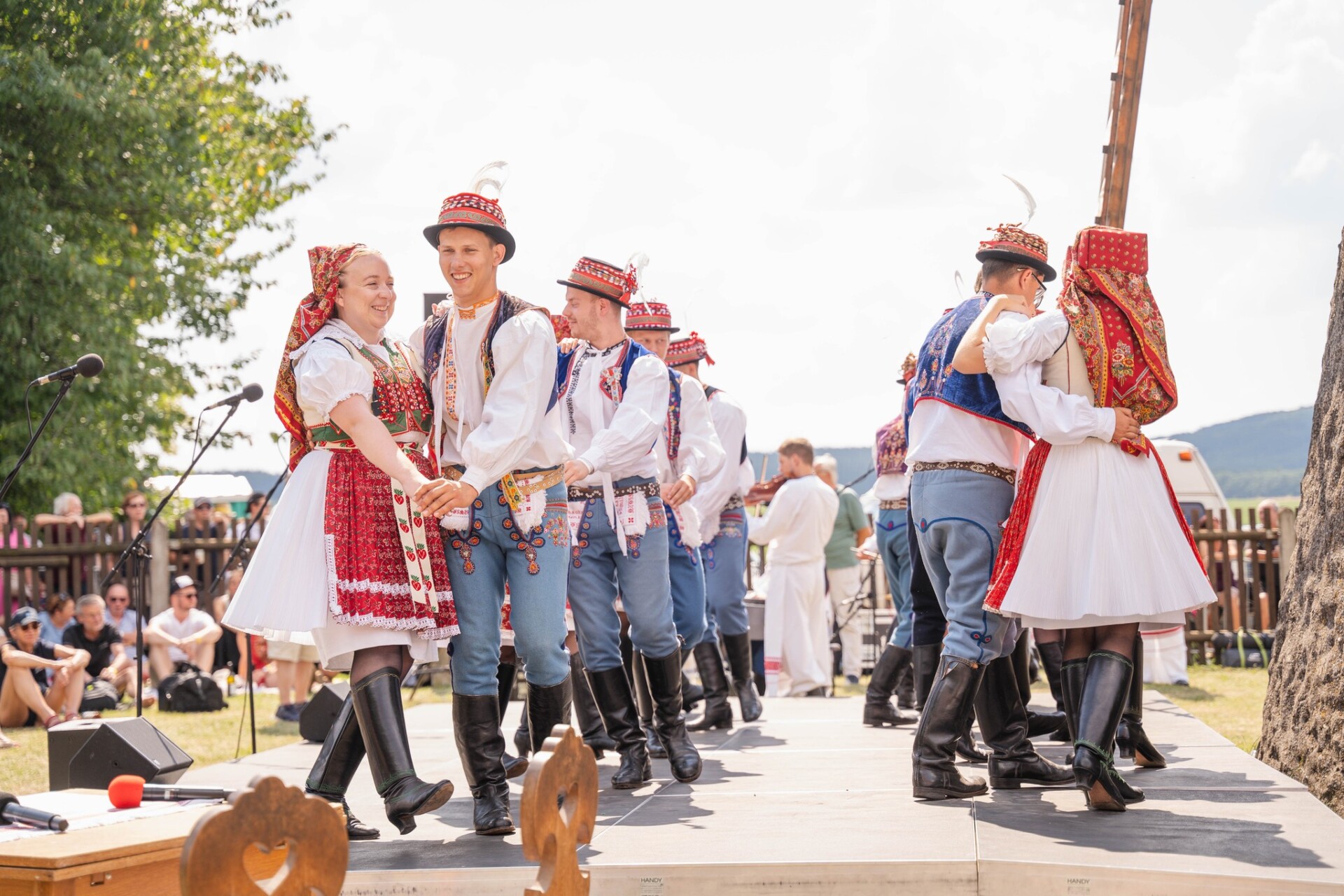
Folklore ensemble Kuzelovjan was established in 2013. The ensemble focuses on authentic folklore from the Horňácko Region, particularly folk songs, dances, live music, customs and traditional costumes typical of this area. Their programme includes pair dances from the Horňácko Region and girls’ songs. The dance ensemble also includes a girls’ choir called Kuzelovské zpevulky.
“The folk costumes we dance in are hundreds of years old, passed down from generation to generation and embroidered by our grandmothers and great-grandmothers. We will bring two types of costumes – festive ones, which were worn on special occasions, and everyday ones, which were worn for working on the fields.
Our ensemble regularly celebrates Shrovetide, known in our region as Fasanek – a holiday with singing and dancing, followed by 40 days of fasting in preparation for Easter. We also celebrate the regional festival Hornacke slavnosti, which lasts four days. In autumn, there are feasts, which are a dominant feature of our village and in which all citizens participate. This is a celebration connected with the consecration of the church.”
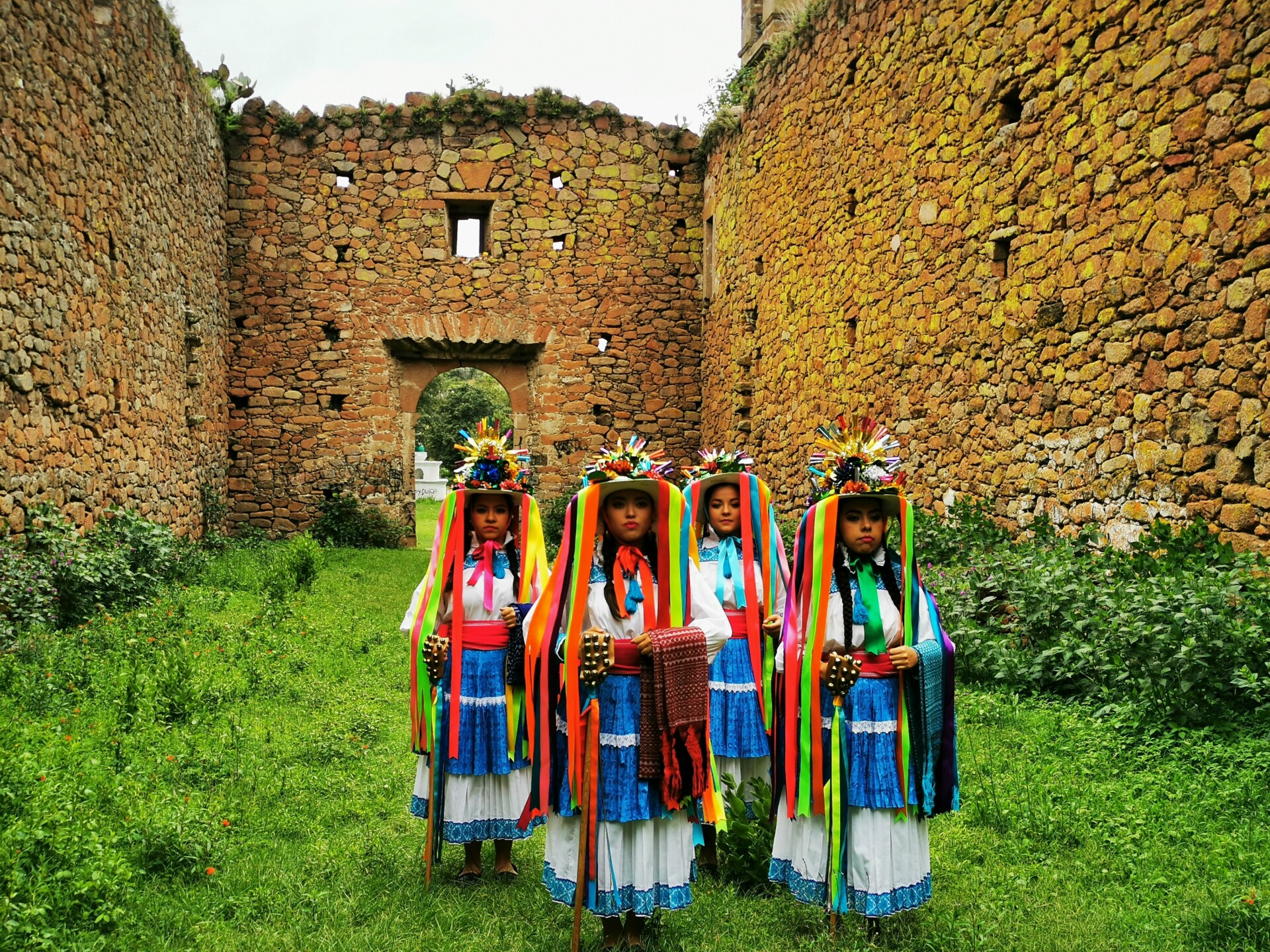
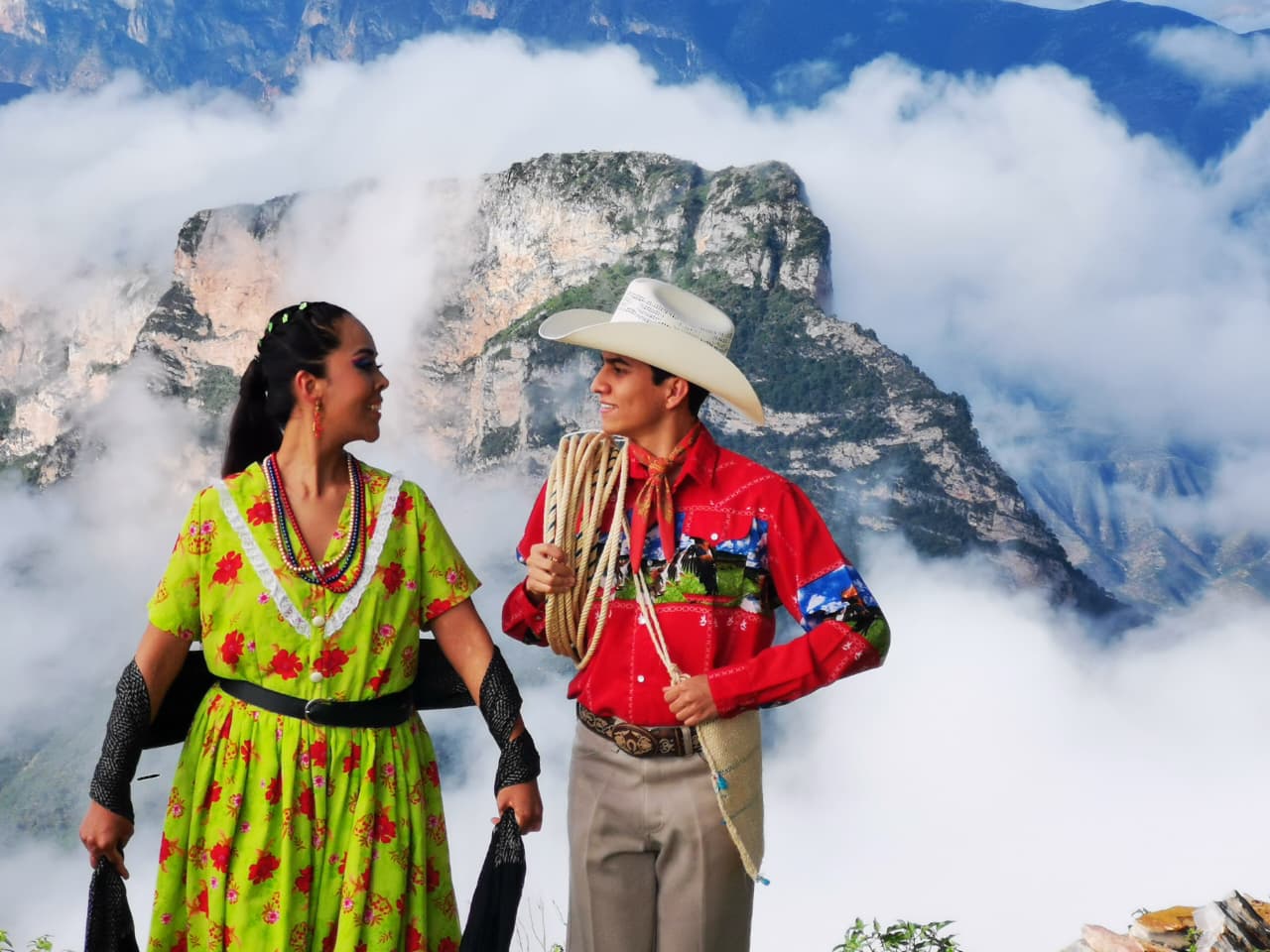
Folklore Dance Company of the Autonomous University of Queretaro, Mariachi Real de Santiago and Titanes Huastecos (Mexico)
The Mexican delegation is composed of three different groups. They are all originally from Queretaro, a state located in the centre of Mexico. Thus, their repertoire is based mainly on the traditions of this region.
The dancers are part of the Folklore Dance Company of the Autonomous University of Queretaro (UAQ) which is celebrating its 60th anniversary this year. The branch of the company that will perform in Estonia is called “El Semillero”, which means “seedbed” in Spanish, making the analogy of the growing youth talent from the High School institutions of UAQ. “El Semillero” is celebrating its 18th anniversary and has performed in Peru, El Salvador and Argentina, as well as in multiple important festivals in Mexico.
On the musical part, we will have “Mariachi Real de Santiago” which will play one of the most iconic national genres, and the “Titanes Huastecos” which is a music trio that performs “huapango”, a traditional music genre from Queretaro.
They perform dances featuring religious symbols characteristic of Mexican culture, dedicated to various saints, to the Virgin Mary, and connected to traditional feast days and Carnival customs. The traditional folk costumes of the Mexican folklore group date back to the 18th century and are made using historical handicraft techniques.